Reverse Mortgage
A reverse mortgage allows homeowners age 62 and older to access a portion of their home equity without selling their home or making monthly mortgage payments.2
Depending on your goals, a reverse mortgage can help you stay in your current home or purchase a new one, while preserving cash flow and retirement assets.
What a Reverse Mortgage Can Help You Do
Live Where You Want to Be
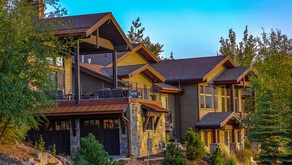
Stay in your current home or purchase a new one that better suits your lifestyle and needs.
Skip the Monthly Mortgage Payment
Add flexibility to your monthly budget. With no required mortgage payments,2 focus on what matters most in retirement.

Access Your Funds Your Way
Choose a lump sum, monthly payout, line of credit or a combination — whatever best fits your plan.

Use the Money for What Matters
Pay off bills, plan for healthcare or create more room in your budget with a financial cushion for peace of mind.
Never Owe More Than It’s Worth
Reverse mortgages are non-recourse loans — your repayment will never exceed the value of your home.

Work With People You Trust
Our friendly, local reverse mortgage advisors are here to guide you through the process, without pressure.
How a Reverse Mortgage Works
If you’re considering a reverse mortgage (Home Equity Conversion Mortgage, or HECM), here’s how it works from start to finish:
Qualify for the loan
Reverse mortgages are for homeowners age 62 or older who live in their home and have built up equity. The amount you can borrow depends on your age, home value and current interest rates.1
Choose how you receive your funds
You can take your money as a lump sum, monthly payments, a line of credit or a combination. Your advisor will help you compare options for your situation.
Repay the loan later
You don’t make monthly mortgage payments.2 Instead, the loan is repaid when you sell your home, move out or pass away. If your home is worth more than the loan balance, the remaining equity goes to you or your heirs.
1 All loans subject to credit and underwriting approval. Additional terms and conditions may apply.
2 You must continue paying property taxes, homeowners insurance and keeping the home in good condition.
Two Smart Ways to Use a Reverse Mortgage
A reverse mortgage can support different goals in retirement. Here are two of the most common ways homeowners put it to work.
Ready to explore your options?
Find a Reverse Mortgage AdvisorReverse Mortgage FAQs
- At least one borrower is 62 or older
- The home is your primary residence
- The property meets FHA standards
- You have sufficient home equity
- Fixed-rate: You’ll typically receive a single lump sum at closing.
- Adjustable-rate: You may choose a lump sum, monthly payments, a line of credit or a combination of these options.
Talk With a Reverse Mortgage Advisor
Wondering if a reverse mortgage fits your retirement goals? We’ll help you review eligibility, funding options and costs so you can make a confident decision for your future.
All loans subject to credit approval. Terms and conditions may apply.